
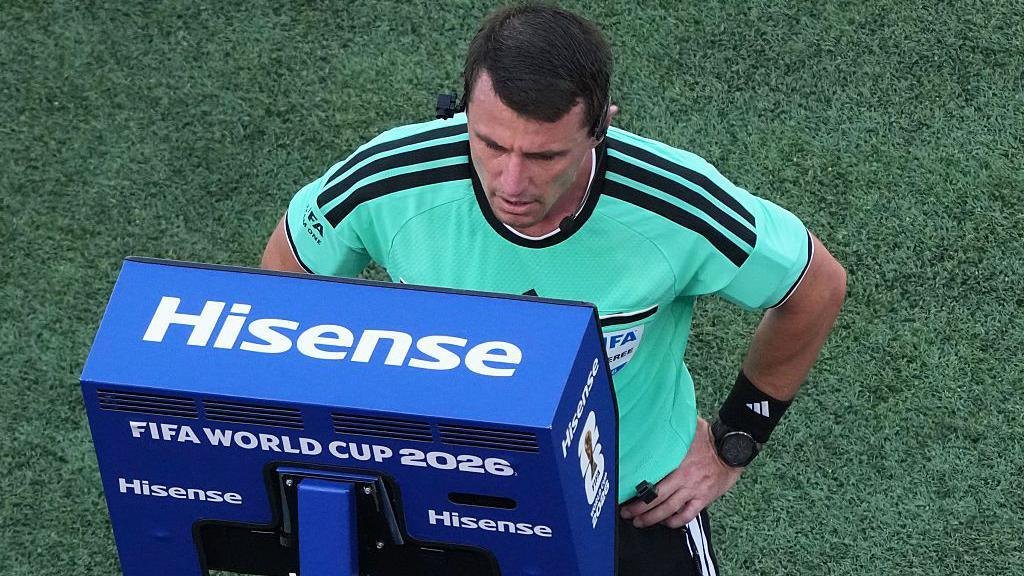
Refereeing Officials Advocate for Limited VAR Interventions
SW
Published: 28 Jul 2026 | 13:00
|
Scorewave Desk
European refereeing officials suggest VAR should be used sparingly, focusing on correcting blatant errors and clear missed incidents.
Refereeing Officials Advocate for Limited VAR Interventions
The Lead:
In a significant development, European refereeing officials have issued guidelines advocating for the limited use of Video Assistant Referees (VARs) in football matches. According to these officials, VARs should only intervene to change decisions that are "blatantly incorrect" or to address clear missed incidents. This stance aims to strike a balance between utilizing technology to enhance refereeing accuracy and avoiding excessive interference that could disrupt the flow of the game. The guidelines are expected to influence how VARs are employed in various European competitions, potentially leading to a more standardized approach across different leagues and tournaments.
Background & Context:
The introduction of VARs in football has been a subject of intense debate since its inception. While the technology has helped correct several high-profile mistakes, its implementation has not been without controversy. Critics argue that VARs often lead to delays and inconsistencies, undermining the authority of on-field referees and altering the natural rhythm of the game. In response to these concerns, refereeing officials have been seeking ways to optimize the use of VARs, ensuring they support referees without overshadowing them. The history of VARs in football is marked by trials, errors, and continuous refinement. From its first use in the 2016 FIFA Club World Cup to its current widespread adoption in top-tier leagues, VAR has evolved significantly. However, the quest for the perfect balance between technology and human judgment remains an ongoing challenge.
Tactical & Squad Impact:
The guideline to use VARs only for "blatantly incorrect" decisions or clear missed incidents could have a profound impact on team tactics and squad dynamics. Coaches may need to adjust their strategies, focusing more on immediate reactions to refereeing decisions rather than relying on potential VAR interventions. This could lead to a greater emphasis on player discipline and instant reactions to incidents, as teams seek to capitalize on or mitigate the effects of decisions in real-time. Furthermore, the reduced reliance on VAR could result in a faster-paced game, with fewer interruptions, potentially altering the physical and mental demands on players. Squad selections might also be influenced, with coaches prioritizing players who can adapt quickly to changing game situations without the safety net of frequent VAR checks.
Reactions & Looking Ahead:
The reaction to these guidelines from fans, players, and managers is expected to be mixed. Some will welcome the move as a way to restore the natural flow of the game and reduce controversy surrounding VAR decisions. Others might express concern that limiting VAR interventions could lead to more uncorrected errors, potentially influencing match outcomes unfairly. Managers, in particular, will be keen to understand how these guidelines will be applied consistently across different matches and competitions. As the football community looks ahead, there will be a close eye on how these guidelines are implemented and their impact on the game. The future of VAR in football is likely to involve continued refinement and debate, with the ultimate goal of enhancing the sport's integrity and fan experience. With European refereeing officials taking a step towards defining the role of VAR, the coming seasons will provide valuable insights into how this technology can best serve the game.
Latest News & Updates

Premier League Competition Heats Up: A Deep Dive into the Statistics
Scorewave Desk
15d ago

Five in Five: The Ultimate Football Quiz Challenge
Scorewave Desk
15d ago
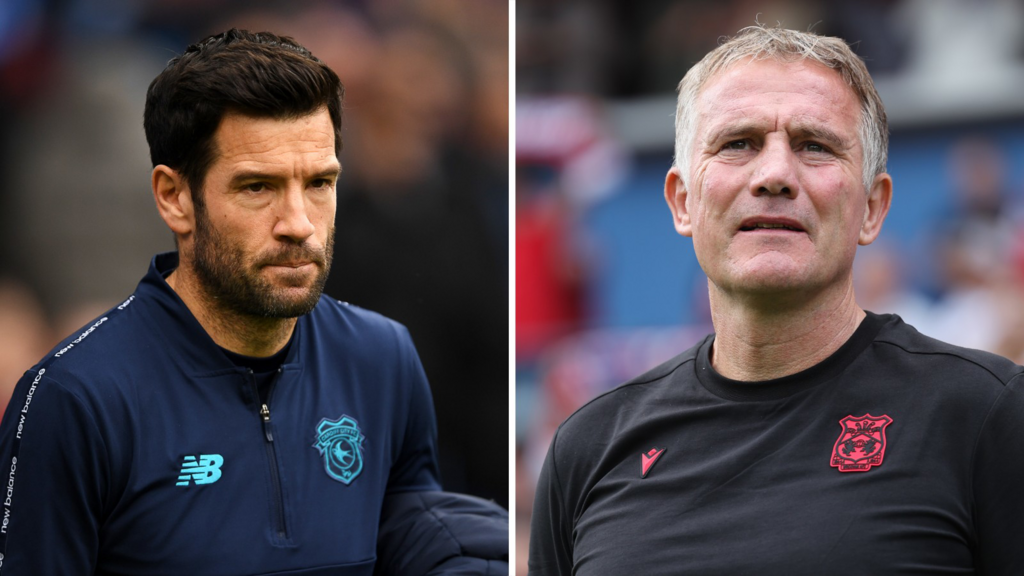
Changing Times as Welsh Blockbuster Awaits
Scorewave Desk
15d ago

Football Daily: Expert Analysis with Aaron Paul, Pat Nevin, Izzy Christiansen, and Chris Coles
Scorewave Desk
15d ago
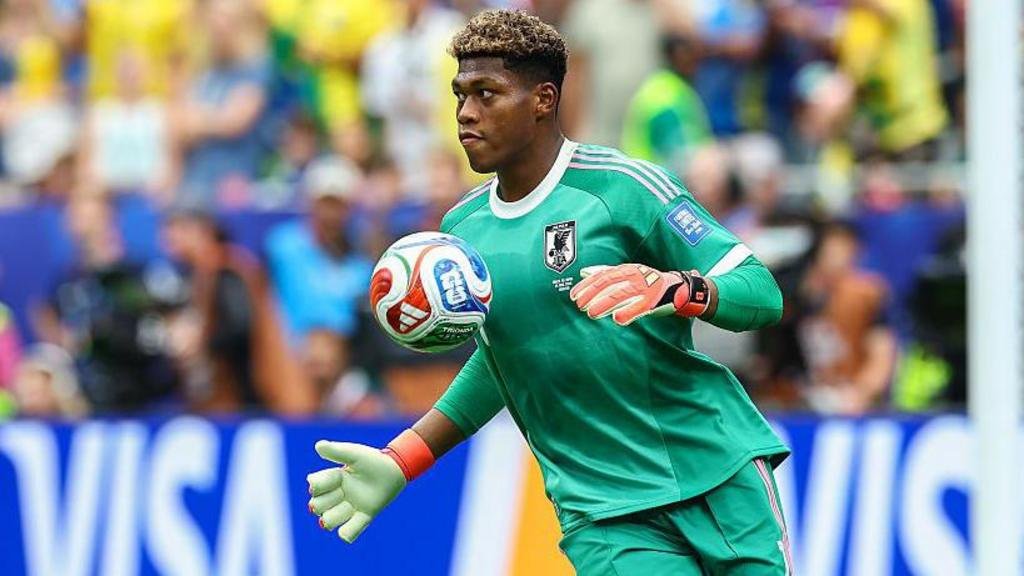
Aston Villa Edges Closer to Signing Zion Suzuki Amidst Emi Martinez Uncertainty
Scorewave Desk
15d ago
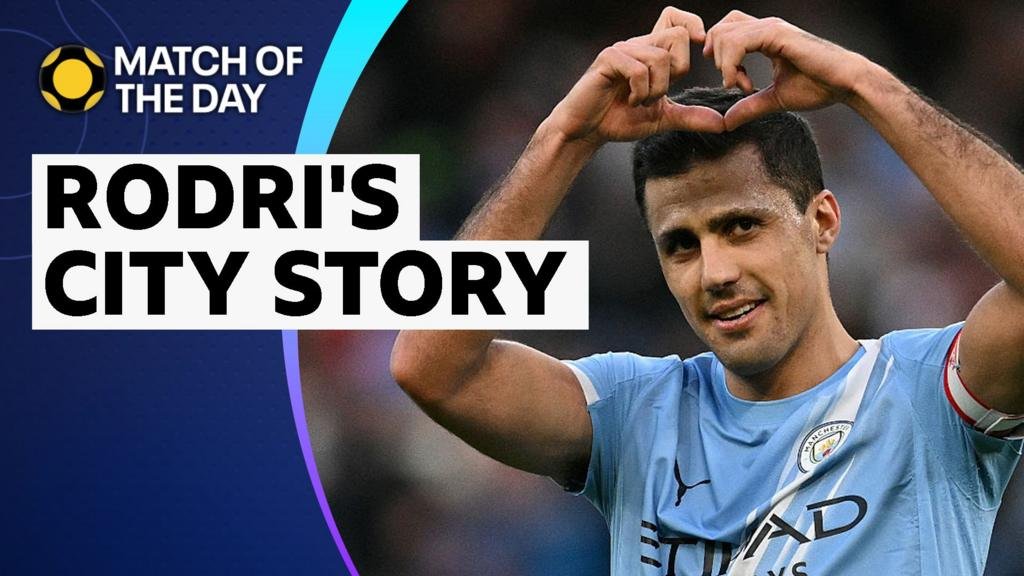
Rodri's Manchester City Legacy: A Look Back at the Midfielder's Illustrious Career
Scorewave Desk
15d ago
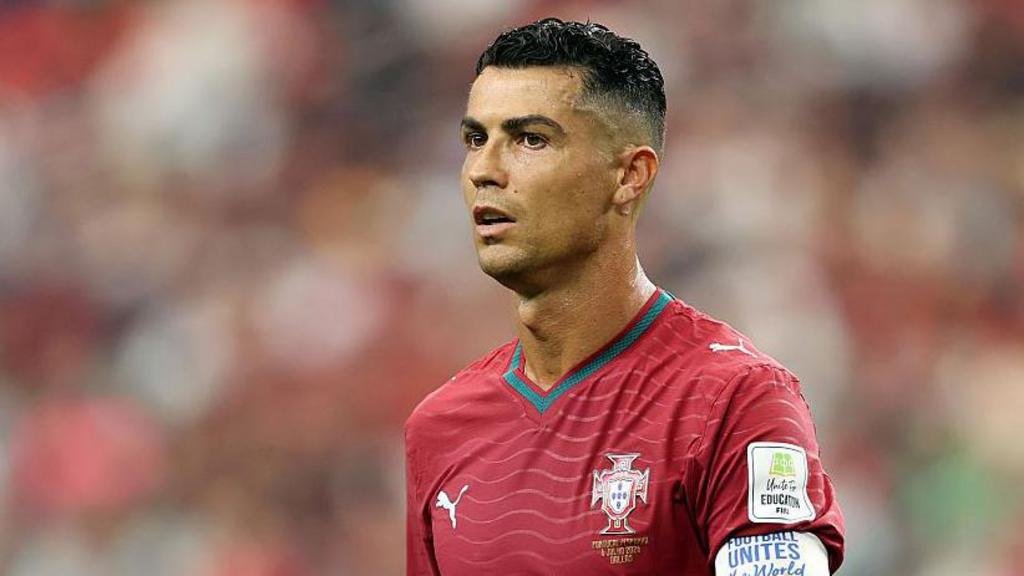
Cristiano Ronaldo Hints at Retirement: A Legendary Career Nears Its End
Scorewave Desk
15d ago

Cameroon Claim First Wafcon Title with Victory Over Malawi
Scorewave Desk
15d ago
Discussion & Comments 0 Comments
Want to join the conversation?
You must be logged in to leave a comment and share your predictions.
No comments yet. Be the first to share your thoughts!