
EFL Warns of Systemic Insolvency Risk Due to Unsustainable Losses
SW
Published: 14 Aug 2026 | 19:00
|
Scorewave Desk
EFL chief executive Trevor Birch highlights the alarming rate of financial losses in English football, emphasizing the need for reform to prevent a systemic insolvency risk.
EFL Warns of Systemic Insolvency Risk Due to Unsustainable Losses
The English Football League (EFL) has sounded the alarm over the financial health of its member clubs, with chief executive Trevor Birch stating that the current level of losses is 'not sustainable' and poses 'a systemic insolvency risk' to the entire football pyramid. This stark warning comes amidst ongoing discussions with the Professional Footballers' Association (PFA) regarding financial fair play and the long-term viability of clubs within the EFL. The EFL's concerns are rooted in the significant financial deficits many of its clubs are accumulating, primarily due to inflated player wages and operational costs that far exceed revenue generated from matchdays, broadcasting rights, and sponsorships.
The financial struggles of EFL clubs are not a new phenomenon, but the situation has been exacerbated by the COVID-19 pandemic, which has drastically reduced matchday revenues due to attendance restrictions and has also impacted sponsorship deals. Historically, clubs have relied on owner investment, loans, and occasional player sales to offset these losses. However, this model is becoming increasingly unsustainable, with many owners facing financial constraints of their own and the transfer market experiencing volatility. The PFA's legal action against the EFL over issues related to financial fair play and the proposed salary caps has further complicated the situation, highlighting the deep-seated problems that need addressing. The recent performances of clubs have shown a wide disparity in financial muscle, with some clubs spending beyond their means in pursuit of promotion, while others are barely keeping afloat.
The implications of these financial woes on the tactical and squad aspects of EFL clubs are profound. With many clubs operating under significant financial constraints, their ability to attract and retain top talent is severely limited. This can lead to a lack of depth and quality in squads, ultimately affecting performance on the pitch. The proposed introduction of salary caps, though contentious, aims to create a more level playing field by controlling wage inflation. However, the PFA's resistance to such measures, citing concerns over player welfare and the potential for a talent drain to leagues with less stringent financial regulations, has stalled negotiations. The EFL's warning about systemic insolvency risk underscores the urgency of finding a balanced solution that ensures the financial sustainability of clubs without jeopardizing the competitive integrity of the league.
The reactions to the EFL's statement have been varied, with fans expressing concern over the future of their clubs and the potential for widespread insolvency. Managers and players have also weighed in, with some calling for more stringent financial regulations to prevent clubs from overspending, while others argue that such measures could stifle ambition and competitiveness. Looking ahead, the EFL, PFA, and club owners must navigate these complex issues to find a path forward that ensures the long-term health of English football. This may involve a combination of financial fair play regulations, salary caps, increased revenue sharing from the Premier League, and innovative strategies to boost matchday and commercial revenues. The challenge is significant, but the consequences of inaction could be catastrophic for the football pyramid, making the need for a unified and sustainable approach more pressing than ever.
Latest News & Updates

Premier League Competition Heats Up: A Deep Dive into the Statistics
Scorewave Desk
15d ago

Five in Five: The Ultimate Football Quiz Challenge
Scorewave Desk
15d ago
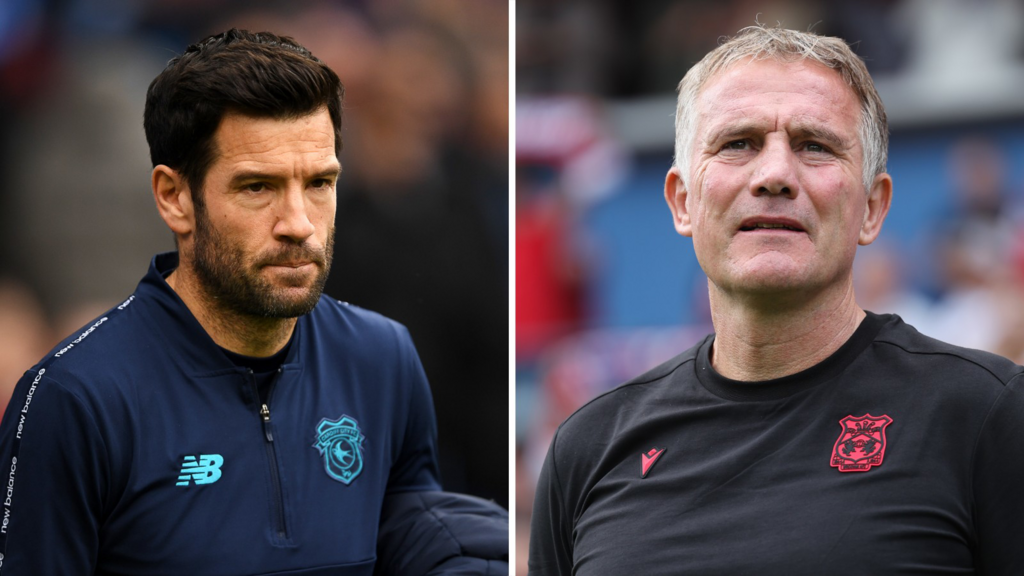
Changing Times as Welsh Blockbuster Awaits
Scorewave Desk
15d ago

Football Daily: Expert Analysis with Aaron Paul, Pat Nevin, Izzy Christiansen, and Chris Coles
Scorewave Desk
15d ago
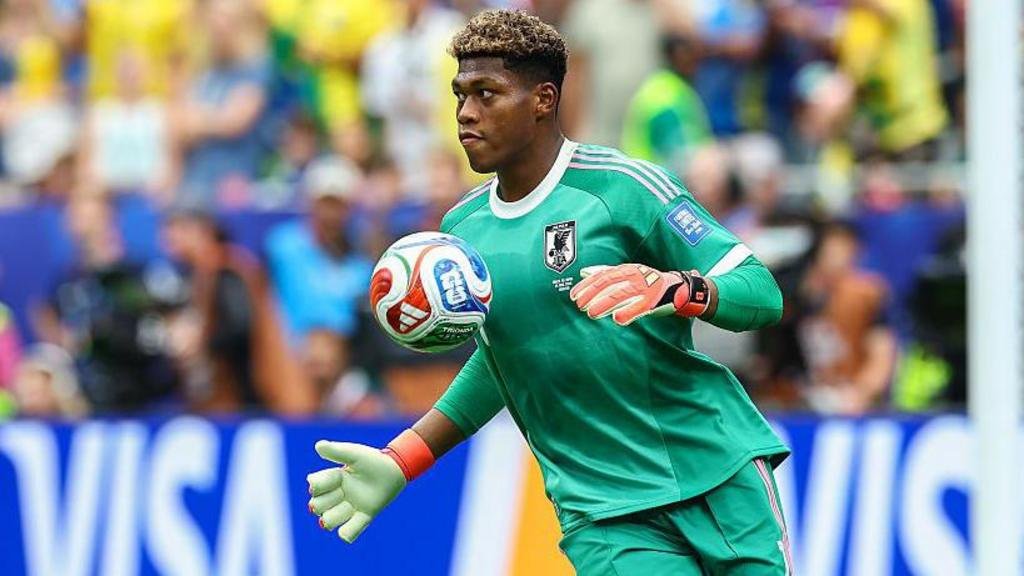
Aston Villa Edges Closer to Signing Zion Suzuki Amidst Emi Martinez Uncertainty
Scorewave Desk
15d ago
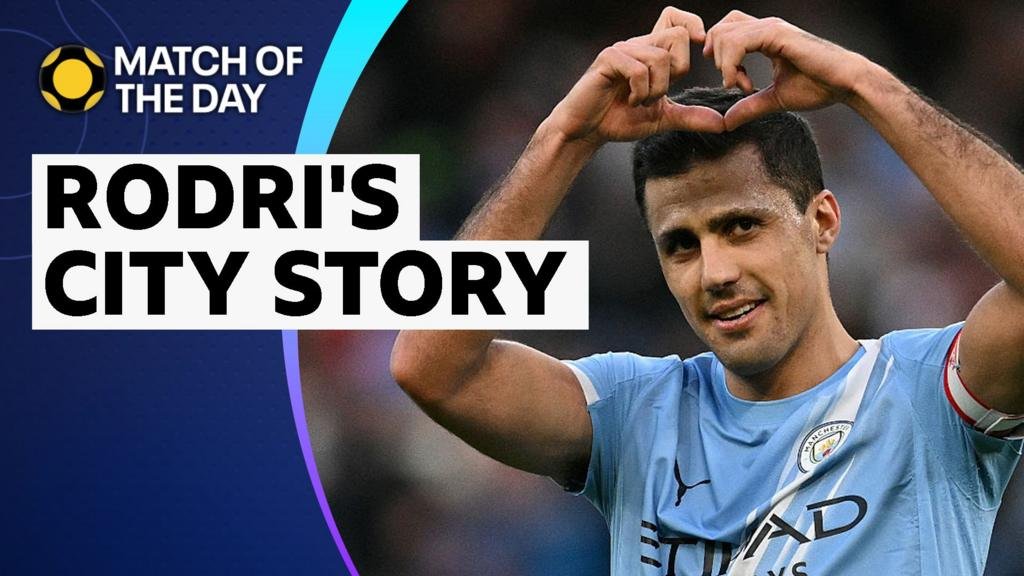
Rodri's Manchester City Legacy: A Look Back at the Midfielder's Illustrious Career
Scorewave Desk
15d ago
Cristiano Ronaldo Hints at Retirement: A Legendary Career Nears Its End
Scorewave Desk
15d ago

Cameroon Claim First Wafcon Title with Victory Over Malawi
Scorewave Desk
16d ago
Discussion & Comments 0 Comments
Want to join the conversation?
You must be logged in to leave a comment and share your predictions.
No comments yet. Be the first to share your thoughts!